Renting in Barnsley Is Changing
What the New Rental Laws Mean for Landlords and Tenants and Why It Matters Locally
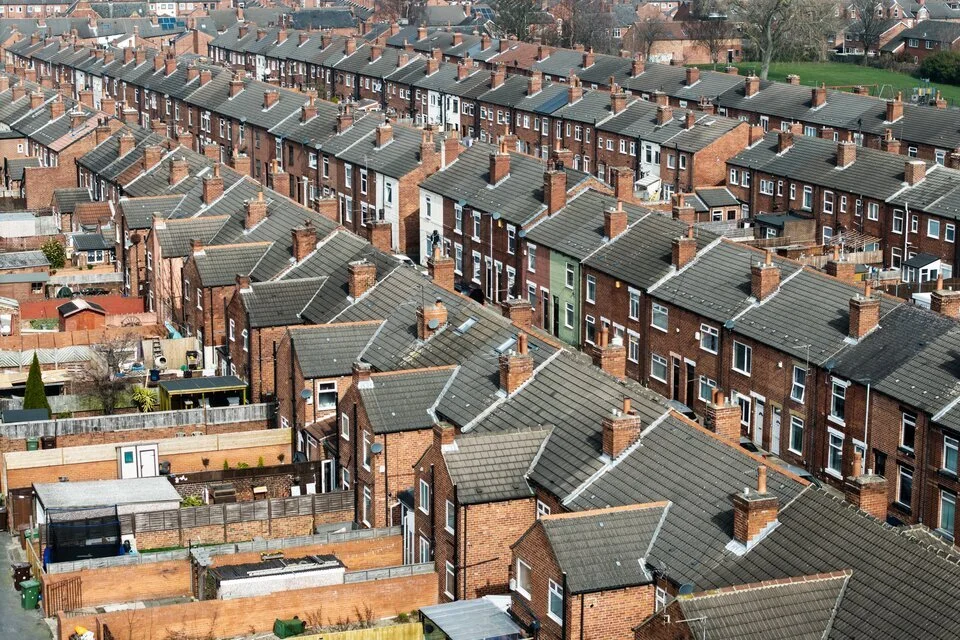
Row of Terraced Homes
Over the next year, the way homes are rented in England will change more than at any point in decades.
These changes are being introduced through new national rental laws and updated government guidance. They are presented as reforms to improve fairness and security for tenants. But there is a growing concern, including here in Barnsley, that the unintended consequences could reduce the number of homes available to rent, pushing some tenants into real difficulty.
This article sets out the full picture in plain English, so both landlords and tenants understand what is coming, what is not, and what it could mean for Barnsley.
The Law Behind the Changes
The changes are driven by the Renters Rights legislation and the updated government guidance for landlords and letting agents in England. The guidance explains how the law will operate in practice and what landlords must do to comply.
These rules apply to private rented housing in England, including Barnsley. Social housing operates under different legislation.
The Biggest Changes Explained Clearly
1. Section 21 No Fault Evictions Are Ending
Under the current system, landlords can use Section 21 to regain possession of a property without giving a reason, provided the correct notice is served.
Under the new law:
Section 21 will be abolished
Landlords will only be able to regain possession using specific legal grounds
A court process will usually be required
Valid reasons will still include serious rent arrears, antisocial behaviour, selling the property, or the landlord or family moving in. However, these must be proven and can take time.
Why this matters in Barnsley:
Barnsley already has pressure on housing supply. Slower possession processes may lead some landlords to decide the risk is no longer worth it.
2. Fixed Term Tenancies Are Ending
Most renters are familiar with six or twelve month fixed term agreements.
Under the new system:
All new tenancies become rolling periodic tenancies
Tenants can give two months notice at any time
Landlords cannot rely on a fixed end date
Impact:
This creates flexibility for tenants but uncertainty for landlords, particularly those with mortgages or long term financial planning tied to rental income.
3. Rent Increases Are Restricted
Under the new rules:
Rent can only be increased once per year
A formal legal process must be followed
Tenants can challenge increases through a tribunal
Rent bidding is also banned. The advertised rent must be the rent offered.
Local reality:
In Barnsley, rents have risen due to demand and lack of supply. If landlords feel they cannot adjust rent to reflect rising costs, some may exit the market.
4. Restrictions on Rent in Advance and Deposits
Landlords will be limited to:
A capped tenancy deposit
A maximum of one month rent in advance
No requests for multiple months upfront
This is designed to help tenants access housing, but it also increases financial risk for landlords where tenants later fall into arrears.
5. Discrimination Rules Tightened
Landlords must not refuse tenants because:
They receive benefits
They have children
Advertising exclusions such as No DSS or No Children will be unlawful.
The difficult truth:
Local Housing Allowance rates in Barnsley often do not match market rents. Landlords may be forced to choose between compliance and financial viability.
6. Pets Must Be Considered Fairly
Tenants have a stronger right to request a pet. Landlords must give a reasonable justification to refuse.
Insurance products are expected to be used to cover damage risk.
7. New Enforcement Powers and Penalties
Councils will gain:
Stronger enforcement powers
Civil penalties running into tens of thousands of pounds
Access to a national landlord database
A new landlord ombudsman scheme
In Barnsley, enforcement would sit with Barnsley Metropolitan Borough Council.
Why Landlords Are Talking About Selling Up
Many landlords are not reacting to one change in isolation.
They are looking at:
Higher interest rates
Increased taxation on rental income
Energy efficiency costs
Reduced possession certainty
Increased regulation and penalties
For some, especially small local landlords with one or two properties, the numbers no longer stack up.
Selling becomes the safer option.
What Happens If Landlords Leave the Market
This is where tenants need to pay attention.
If landlords sell:
Rental supply reduces
Competition for remaining homes increases
Rents rise due to scarcity
Tenants on benefits struggle the most
Councils face increased homelessness pressure
In Barnsley, where demand already outstrips supply, even a small reduction in private rentals could have serious knock on effects.
The Risk of a Policy Gap
The intention behind the reforms is to improve standards and protect tenants. Many of those aims are reasonable.
The risk is that:
Landlords exit faster than new homes are built
Social housing supply does not fill the gap
Tenants are left with fewer choices, not more
Good law must work in the real world, not just on paper.
What This Means for Barnsley
Barnsley is not London. It is not Manchester. It is not a city with endless rental stock.
Here:
Many landlords are local individuals, not corporations
Many tenants rely on affordability and stability
Housing pressure spills directly into council services
If policy drives landlords out without replacing homes, tenants pay the price.
Final Thought
This is not about choosing sides between landlords and tenants.
It is about recognising that:
You cannot protect tenants if there are no homes to rent
You cannot regulate a sector out of existence and expect stability
Barnsley needs a balanced, local-focused housing policy, not blunt national rules that ignore local realities.
We have had enough spin. We will not be hoodwinked, and we certainly will not stand for being gaslit ever again.
