Business Acumen in Local Government
Why councillors must understand how councils operate
Why competence matters in local government

Councillors are entrusted with overseeing hundreds of millions of pounds of public money and services that affect daily life. While councils are not private companies, they must be run with business discipline, financial awareness and operational understanding. Good intentions alone are not enough. Competence protects residents, services and taxpayers.
This page explains the core business acumen every councillor should hold to govern responsibly and put people before politics.
1. Understanding How a Council Operates
Every councillor should understand the basics of how decisions are made and delivered, including:
How budgets are set, approved and monitored
The difference between revenue spending and capital projects
Statutory services versus discretionary services
The role of council officers compared to elected members
How arms length bodies and outsourced services work
Without this foundation, councillors cannot challenge decisions effectively.
2. Financial Literacy and Public Money
Councillors do not need to be accountants, but they must be able to:
Read and question budgets and financial reports
Understand overspends, underspends and reserves
Recognise borrowing costs and long term liabilities
Ask what happens if income assumptions fail
Understand the financial impact of delays and rework
Public money is taxpayers money. It must be treated with care and respect.
3. Value for Money Thinking
Good councillors consistently ask:
What problem are we trying to solve
Is this the most effective solution
What evidence supports this decision
What alternatives were considered
How will success be measured
This mindset helps prevent waste, vanity projects and repeat failures.
5. Risk and Consequence Awareness
Every major decision carries risk. Councillors should always ask:
What could go wrong
Who carries the risk
What is the worst case scenario
Is there a clear exit or mitigation plan
Ignoring risk does not remove it. It increases future costs.
7. Confidence to Challenge
Business acumen must be matched with courage. Councillors should be willing to:
Ask difficult questions in public
Challenge assumptions and data
Question advice respectfully but firmly
Say no when something does not add up
Scrutiny is not opposition. It is a duty.
4. Procurement and Contract Awareness
Councillors should understand how contracts are managed, including:
How suppliers are selected
How performance is monitored
What happens when contractors underperform
How contract variations increase costs
When contracts should be reviewed, renegotiated or ended
Too often, poor contracts continue because no one asks the right questions.
6. Long Term Thinking
Responsible councillors look beyond election cycles:
Build costs are only the start. Maintenance matters
Staffing decisions create long term obligations
Temporary funding often creates future gaps
Poor early decisions cost far more to fix later
Short term headlines should never override long term responsibility.
8. Accountability and Transparency
Competent councillors understand that:
All spending must be explainable to residents
Transparency builds trust
Decisions should stand up to public scrutiny
Accountability is essential to democracy
Councils exist to serve communities, not themselves.
In Summary
Councillors do not need to run businesses, but they must have enough business acumen to:
Protect public money
Challenge poor decisions
Understand consequences
Demand evidence
Think long term
This is not about ideology.
It is about common sense, responsibility and integrity.
Barnsley First Independent Group believes strong local leadership requires both compassion and competence. Our communities deserve councillors who can listen, challenge and govern responsibly.
People before politics.
Making common sense common again.
Recommended Reading
Understanding how local government really works

Effective councillors need more than good intentions. They need a solid understanding of how councils operate, how public money is managed, and how decisions are made and challenged. The books and guides below provide practical insight into local government, accountability, financial oversight and decision making.
They are recommended reading for anyone considering standing as an Independent councillor or supporting good governance in Barnsley.
📘 The Good Councillor’s Guide
National Association of Local Councils
A practical, plain English guide written specifically for councillors. Covers roles, responsibilities, ethics, scrutiny, working with officers and understanding council business.
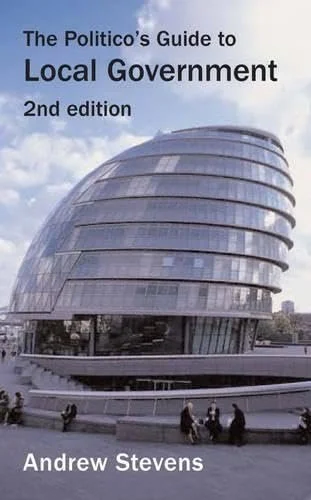
📘 Politico’s Guide to Local Government
A clear and accessible introduction to how local government works in the UK. Ideal for anyone new to councils who wants to understand powers, finance and decision making.
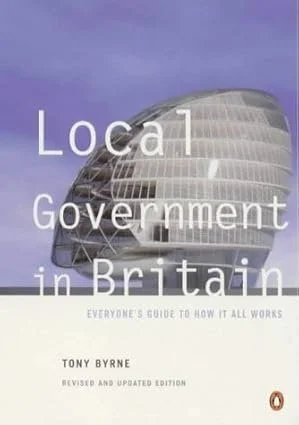
📘 Local Government in Britain
by Tony Bovaird and Elke Loffler
A deeper look at how councils operate, how services are delivered and how elected members and officers interact. Widely used in public administration courses.