Tough Talk On Grooming Gangs But Where Is The Plan
I want to talk about grooming gangs, but I want to do it properly. Calmly. Factually. With care for the victims, and with respect for the public who are sick of being sold soundbites.
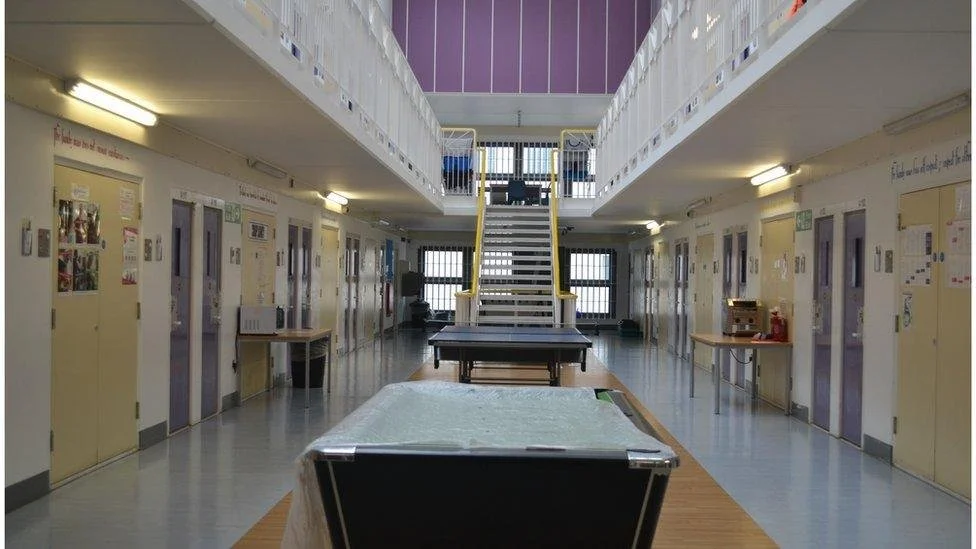
Where are they planning on putting them?
Because this is not new. It did not happen in one place. And it certainly was not something nobody knew about.
Over the past 30 years, serious grooming and mass sexual abuse cases have been uncovered across dozens of towns and cities in England. In many of those places, abuse carried on for years while victims were ignored, disbelieved, or failed by institutions that should have protected them.
Just some of the well documented locations include Rotherham, Rochdale, Telford, Oxford, Derby, Huddersfield, Newcastle, Oldham, Halifax, Bradford, Peterborough, Aylesbury and Bristol.
In Rotherham alone, an independent inquiry estimated around 1,400 children were abused between 1997 and 2013. In Telford, inquiries concluded over 1,000 children were sexually exploited over decades. These figures are widely accepted as conservative. GOV.UK Assets
What is often forgotten is that victims were sometimes moved between towns. Abuse did not respect council boundaries. That is why people talk about over 50 towns and cities being affected.
But there is another part of this conversation that is almost never discussed properly.
The number of perpetrators.
There is no single official national figure for how many offenders were involved across all these cases. What we can say honestly is this: the number is far bigger than most people think, and inquiries repeatedly state that only a fraction of offenders were ever charged. Prosecutions represent the tip of the iceberg.
So when we see headlines and political claims like “grooming gang members to be jailed for life”, the public is entitled to ask a simple question.
Where are they planning on putting them
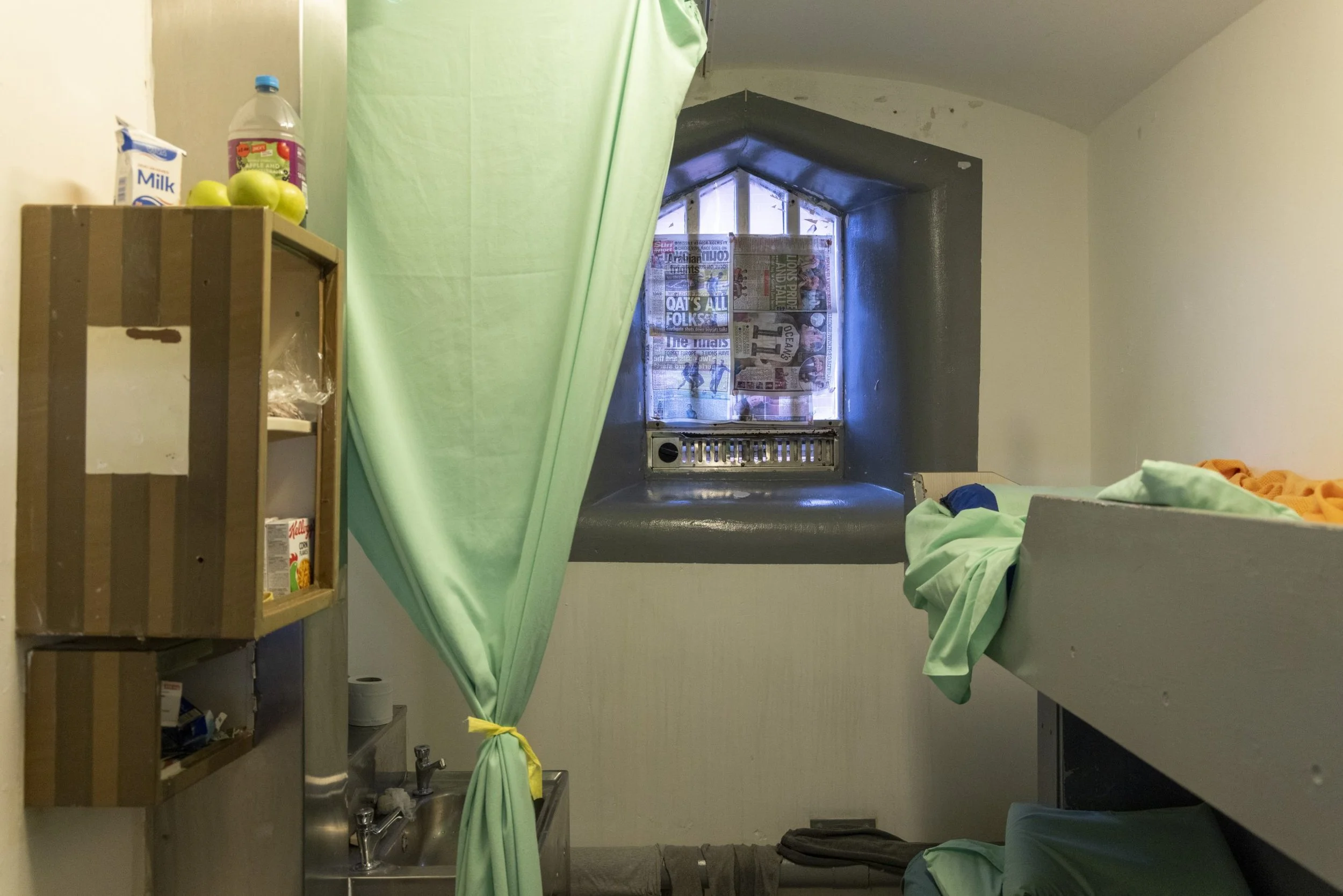
Because this is the practical reality in England and Wales today.
The latest published useable operational capacity of the prison estate, as at 24 November 2025, was 89,334 places. GOV.UK Assets
The prison population on that same date was 87,332. GOV.UK Assets
That is a gap of about 2,002 places nationally, on paper, before you even get into the day to day reality of overcrowding pressures and operational limits.
And it gets worse, not better, on current projections.
The Ministry of Justice projects the prison population rising to a central estimate of 100,600 by March 2030. GOV.UK Assets
That is an increase of roughly 13,268 people compared with the 87,332 figure at 24 November 2025.
Now add a second reality that hardly anybody wants to talk about.
We have already been forced into emergency measures to manage capacity.
Between 10 September 2024 and 30 June 2025, there were 38,042 early releases under the SDS40 scheme, introduced specifically to ease pressure on prisons. GOV.UK Assets+1
So when anyone says “life means life” or implies we can simply lock up a huge number of offenders permanently, we are entitled to ask how that squares with the system we have right now.
Because even if we put morality to one side for a moment and focus only on logistics, if you genuinely believe there are many thousands of perpetrators over decades, then whole life sentences at scale would require huge permanent capacity that simply does not exist.
It is not enough to say “lock them up for life” and walk away.
The public deserves to see the workings, not just the words.
How many additional prison places would be needed
How many courts, prosecutors, investigators, and prison staff would be required
How many historic cases will be reopened and properly resourced
How long will victims be waiting while the system catches up
How will this avoid becoming yet another promise that collapses under its own weight
And there is one more truth that must be said, because it links directly to capacity, policing, and public confidence.
We are dealing with pressure across the system at the same time as continued high levels of illegal small boat arrivals. In 2025, Home Office data reported a total of 41,472 people arriving in the UK by small boat, one of the highest annual totals on record. The Guardian+2Sky News+2
Whether people like talking about that or not, it is part of the wider picture of demand on housing, policing, courts, and public services.
So yes, the question must be asked.
Is this about justice, or is this about catching votes
If a party is serious, including Reform UK, the public needs specifics, not slogans. The Telegraph
What is the plan to identify offenders who were never charged?
What is the plan to reopen historic cases where children were failed?
What is the plan to join intelligence across police forces?
What is the plan to expand prison capacity in a realistic timeframe?
What is the plan to stop the justice system from collapsing under the weight of promises it cannot deliver?
I do not write this with anger. I write it with care. Care for victims who waited far too long to be believed, and care for the truth, which must come before politics.
We have had enough spin, we will not be hoodwinked and we certainly will not stand for being gaslit ever again.
Making common sense, common again.
David Wood Unfiltered
